

Introducing the Climate Science Colloquium Series
Oregon State's strategic plan, Prosperity Widely Shared, highlights four research themes “where OSU has clear opportunities to build a global reputation and exert extraordinary impact," and first on the list is climate science and related solutions. To celebrate the election of CEOAS faculty member Peter Clark to the National Academy of Sciences (an exceedingly rare event for OSU) as well as the new Climate Science unit in CEOAS, this colloquium series features four key topics within climate science and solutions. Each speaker or panel will spend a full day on campus in discussions with groups of faculty and students, culminating in an evening public lecture and reception. A key goal is to stimulate discussions across campus and promote future collaborations.
Spring Term 2026
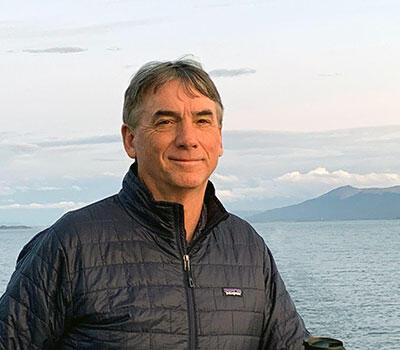
Peter Clark
Tuesday, April 7, 2026
University Distinguished Professor of Earth, Ocean, and Atmospheric Sciences and Member of the National Academy of Sciences
One if by land, two if by sea: A revisionist history of the Ice Ages and implications for future climate and sea level
Peter Clark is a University Distinguished Professor in the College of Earth, Ocean, and Atmospheric Sciences, and was elected to the National Academy of Sciences in 2025 in recognition of his extensive contributions to our understanding of Earth's climate and sea level. In this talk he will summarize his new research on the history of the Ice Ages that provides new insights into the future of our climate.
2026 Earth Day Lecture: Bold Solutions, Better Planet
Wednesday, April 22 (Earth Day)
See the 2026 Earth Day Lecture: Bold Solutions, Better Planet page for more information and to watch the recording.
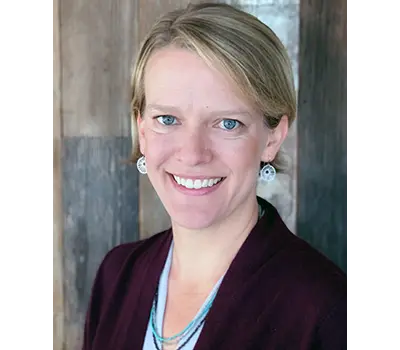
Janine Benner
Monday, April 27, 2026
Director, Oregon Department of Energy (ODOE)
Climate Science and Solutions: the path to Oregon’s energy future
Janine joined ODOE in February 2017 as the Assistant Director for Planning and Innovation, and was named agency Director by then-Governor Brown and confirmed by the Senate in February 2018. As director, she provides leadership and policy direction to the department’s 120+ employees and oversees a $200+ million budget.
Janine came to ODOE from the U.S. Department of Energy (USDOE), where she served as Associate Assistant Secretary in the Office of Energy Efficiency and Renewable Energy. Before that, she served as Deputy Assistant Secretary in USDOE’s Office of Congressional and Intergovernmental Affairs. Janine also spent 12 years working for Congressman Earl Blumenauer (D-OR), first as an energy and environmental policy advisor and then as deputy chief of staff. She grew up in Portland, Oregon, and has a degree in history from Princeton University.
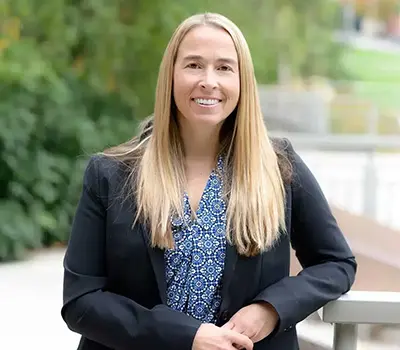
Tara Hudiburg
Wednesday, May 13
Canceled
Dr. Hudiburg unfortunately cannot make it this week. We will see about rescheduling at a later date. Thanks for your interest in her talk.
Can forests save us? Opportunities and limits of forest carbon storage
Tara Hudiburg is Professor of Ecosystem Ecology in the College of Natural Resources at the University of Idaho. She studies carbon cycle science, biogeochemistry, land use change and management, and climate change. She earned an MS (2008) and PhD (2012) from OSU. In this talk, she will describe how much human-caused CO2 forests have consumed globally and how much more we can expect them to do for us – the physiological and land-area limits, efforts at reforestation and afforestation, and the threats from fires and other disturbances.
Climate intervention: a panel discussion
Tuesday, May 19, 2026
Featuring Terry Chapin, University of Alaska Fairbanks; Sarah Doherty, University of Washington; and OSU Professor Allen Thompson. Moderated by CEOAS Professor Philip Mote.
As greenhouse gas emissions continue to heat the planet, interest in alternative solutions is growing, ranging from chemically based carbon dioxide removal to solar radiation management through technology like space mirrors. Dr. Doherty will outline current scientific thinking and research about climate intervention (formerly called geoengineering) and the panel will discuss prospects, pitfalls, and ethics, with audience engagement.
Terry Chapin
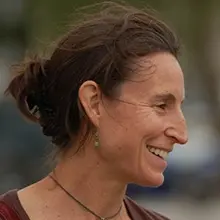
Sarah Doherty
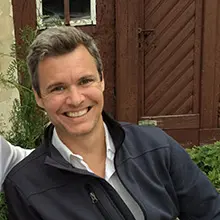
Allen Thompson
Professor Allen Thompson, OSU School of History, Philosophy, and Religion
Thompson specializes in environmental philosophy including climate ethics and adaptation. He co-edited The Oxford Handbook of Environmental Ethics and Ethical Adaptation to Climate Change. He earned a Ph.D. from the University of Washington.