

Strata magazine is a twice-yearly Earth science research publication produced by the College of Earth, Ocean, and Atmospheric Sciences at Oregon State University. Launched in 2021, the magazine seeks to inspire and inform readers about the college's top-notch research and the importance of the Earth sciences in understanding planetary change.
From the editor
Science for seafood
There are weeks when, no joke, I eat some form of seafood every day. My freezer is stocked with albacore tuna loins bought fresh off the boat last summer. I have a great recipe for shrimp cakes that works best with local pink shrimp. My frequent Caesar salads are really just vehicles for as many salty anchovies as I can fit on top of the lettuce.
This issue’s cover story on how CEOAS science supports fish and fisheries, a $200 million industry in Oregon, really only scratches the surface of the college’s connection to seafood. So much of what we do in CEOAS is about ocean health, or tied to it, given that everything on our planet is intertwined. Studies of climate change, past, present and future, ultimately connect to fish and the world they swim in. The atmosphere and the ocean are so interconnected that it can be hard to distinguish between oceanographic and atmospheric research. Our Marine Resource Management master’s program prepares students for roles in fisheries management and advocacy work. And research on natural hazards helps keep coastal communities, the epicenter of the fishing industry, informed and resilient.
You’ll also find in these pages a story about research on marine carbon dioxide removal, and another on how climate change may affect your ability to see your state bird. Keep reading to learn about the instruments needed to measure oxygen flux in marine sediments, what a master’s student learned while conducting participatory mapping in Zambia, and more.
Enjoy!
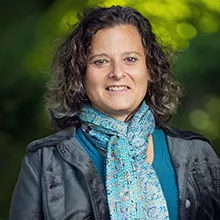
Nancy Steinberg
Editor
Featured stories
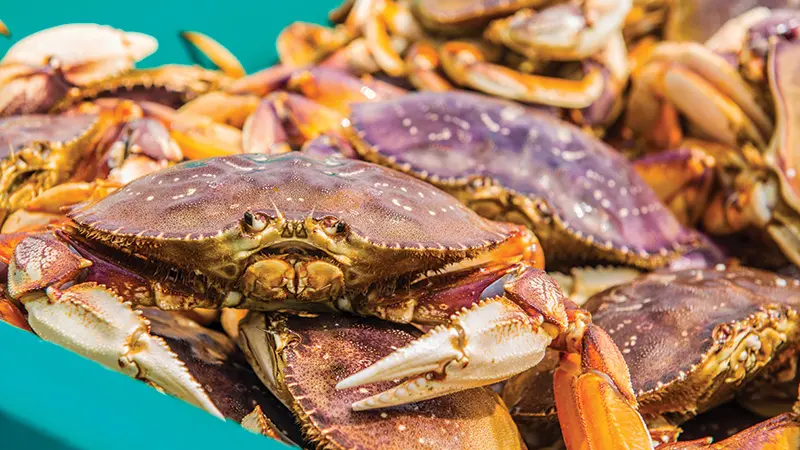
How science helps bring seafood to your plate–CEOAS supports the processes than help the commercial fishing industry thrive.
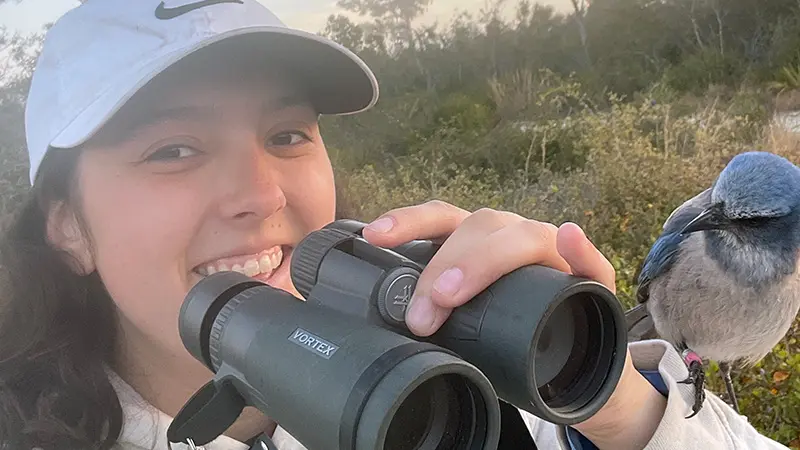
State birds are a good starting point for thinking about how wildlife species' ranges will shift due to climate change.
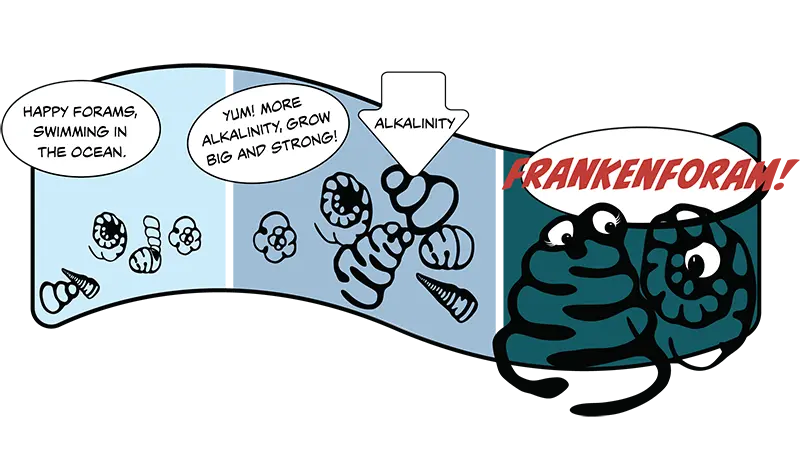
Can we forse the ocean to stash carbon dioxide? CEOAS research shows the answer is complicated.