
Explore CEOAS!
Come learn about the incredible work of our students, faculty and staff in this self-guided tour of College of Earth, Ocean, and Atmospheric Sciences at Oregon State University. This tour will take you through Wilkinson and Burt Halls to experience our science in action.
Download Oregon State's free self-guided tour app to explore campus on your own, including our CEOAS buildings.
Stops
Stop 1: Wilkinson Hall
Listen to this tour stop: Stop 1, Wilkinson Hall, Dean Tuba Özkan-Haller

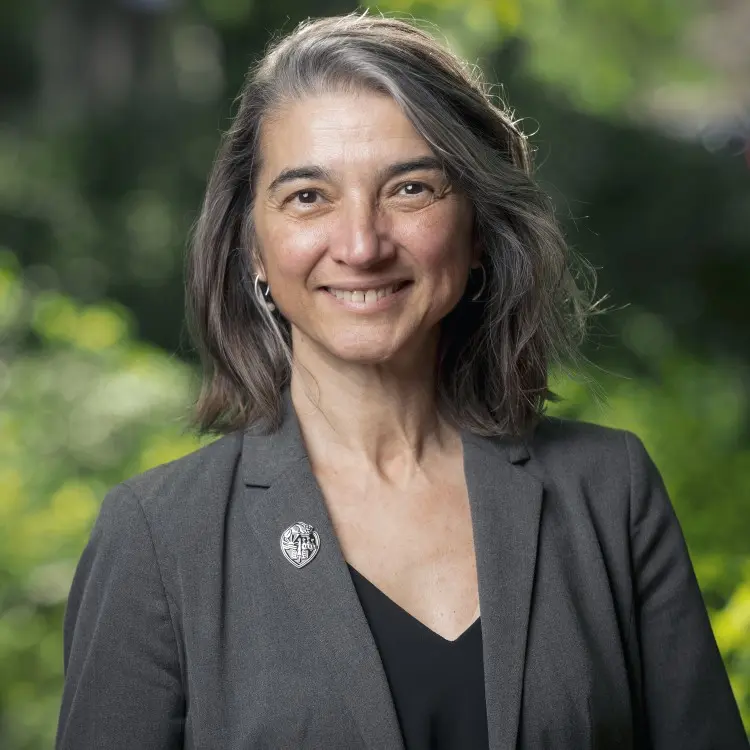
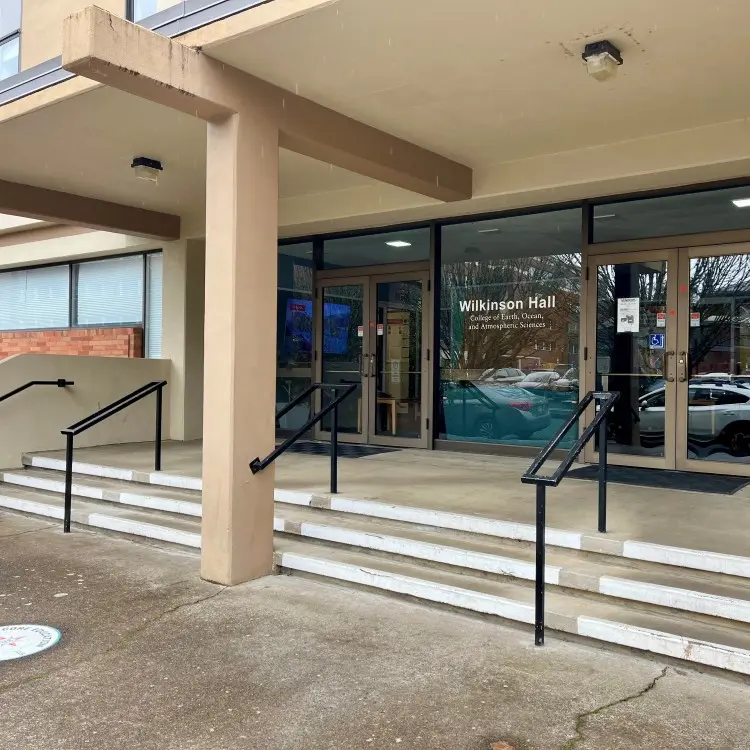

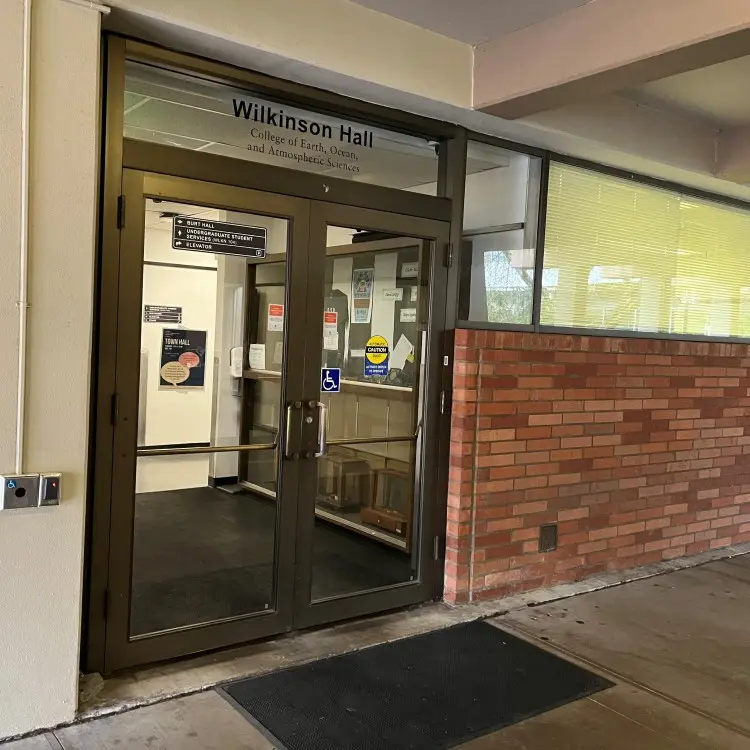
Welcome to the College of Earth, Ocean, and Atmospheric Sciences, which we affectionately call CEOAS for short! My name is Tuba Özkan-Haller, I have the privilege and pleasure to be the dean, or leader, of our college. I believe every person should have a basic understanding of how the Earth works, and here at Oregon State University, students have access to courses and experiences that explore our world, helping prepare them to shape its future.
This tour introduces you to life as a CEOAS student, as well as to our five undergraduate majors: Geology, Oceanography, Geography & Geospatial Science, Climate Science, and Environmental Sciences.

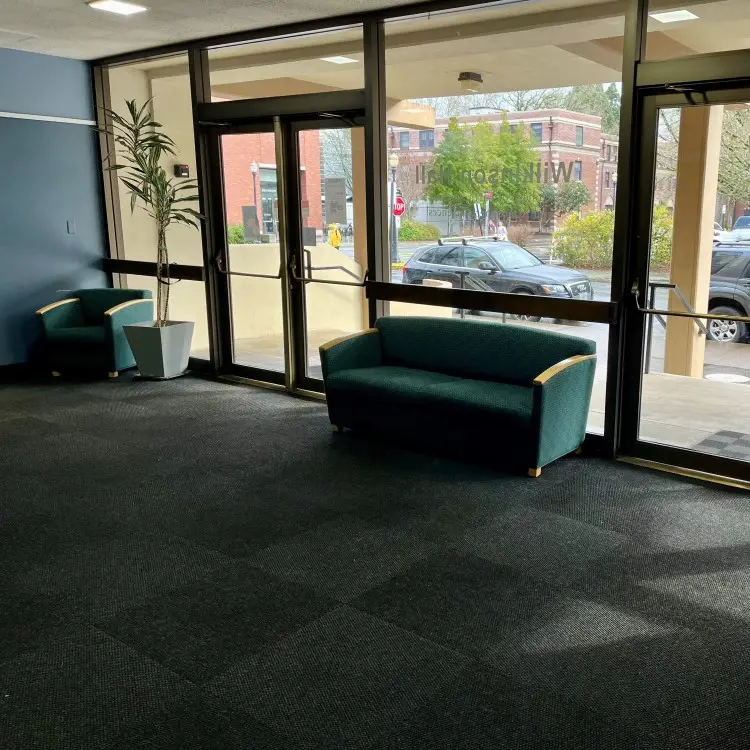
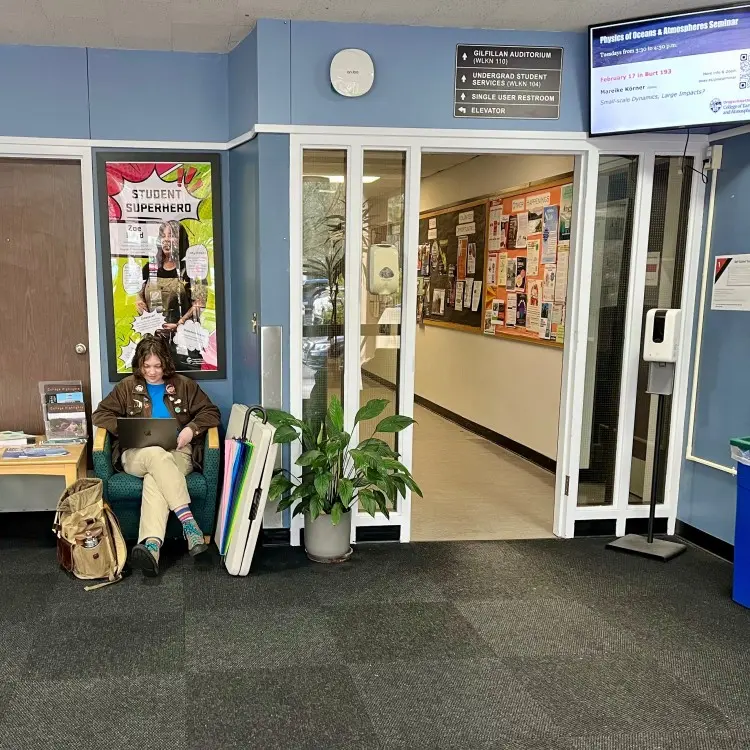
Hello! I’m Kiana, a CEOAS Student Ambassador and Environmental Sciences major. CEOAS students spend a lot of time here in Wilkinson Hall going to classes, doing research, and finding the help we need. You might see a few of us here now, catching up on homework while we wait for our next class.
CEOAS is a small college with an oversized impact, and we are the center of Earth sciences at OSU. Students in this college graduate with an understanding of our planet’s interconnected systems, which prepares us for a future of exploring and problem solving.
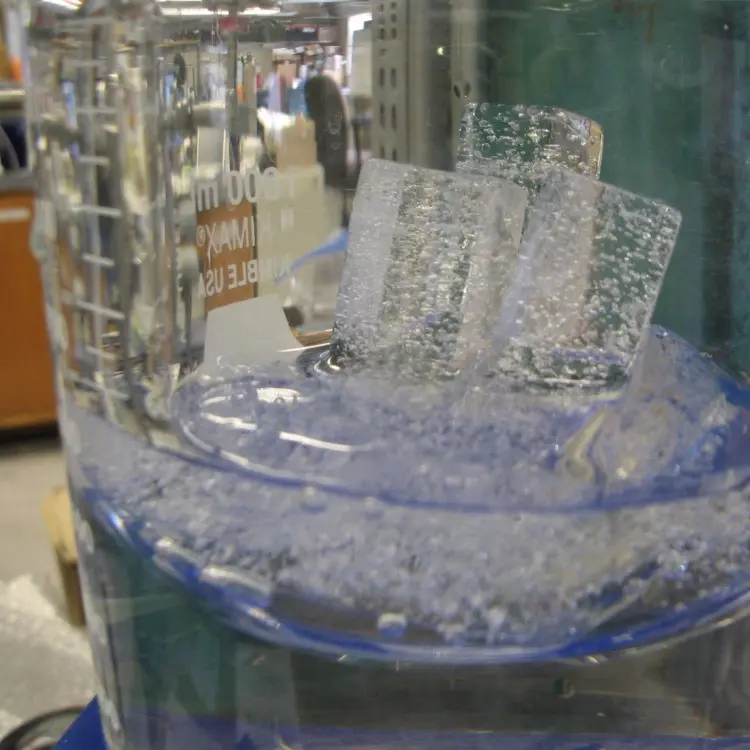
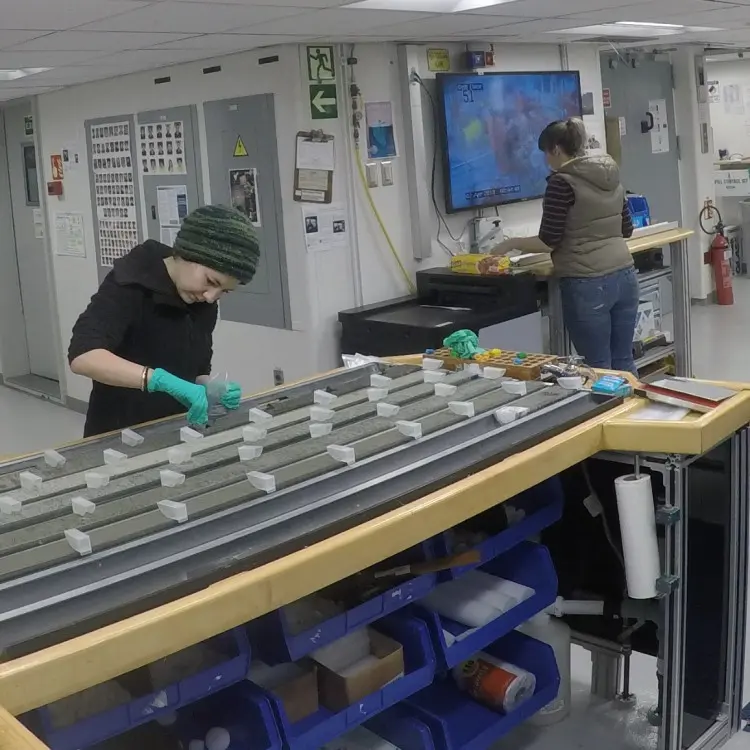
For example, right beneath our feet is the CEOAS Ice Core Lab, where students gain hands-on experience working with world-famous scientists to investigate ancient ice drilled from Antarctica and Greenland to learn about the atmosphere millions of years ago. Students working in this lab help to uncover critical information about past climates so we can understand today’s climate and work on finding solutions.
Related stories:
- Watch a short This is CEOAS video.
- Take a 360-degree tour of the CEOAS Ice Core Lab by Ed Brook, Director of COLDEX.
- View the Marine and Geology Repository video.
Stop 3: Undergraduate Student Services
Listen to this tour stop: Stop 3, Undergraduate Student Services, Mary Chuinard

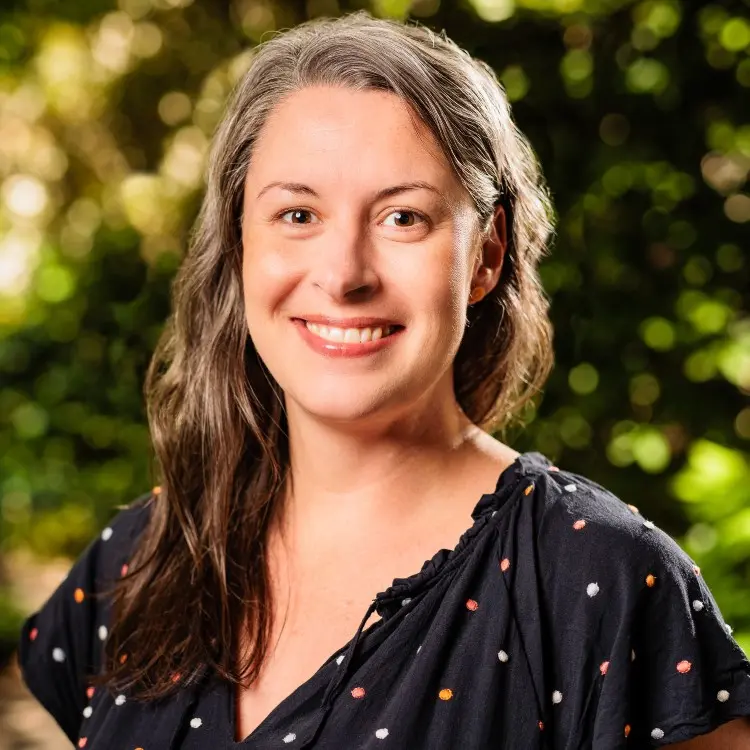
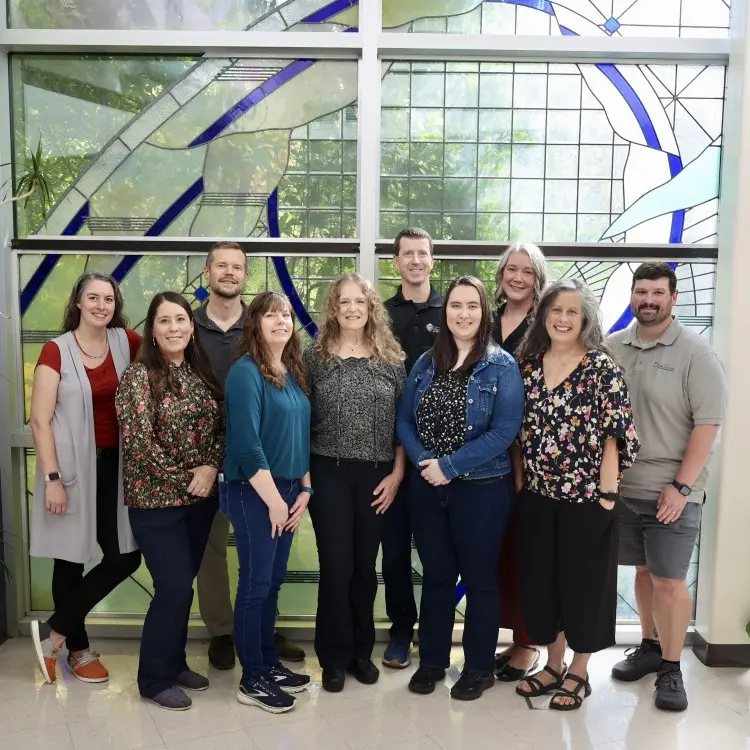
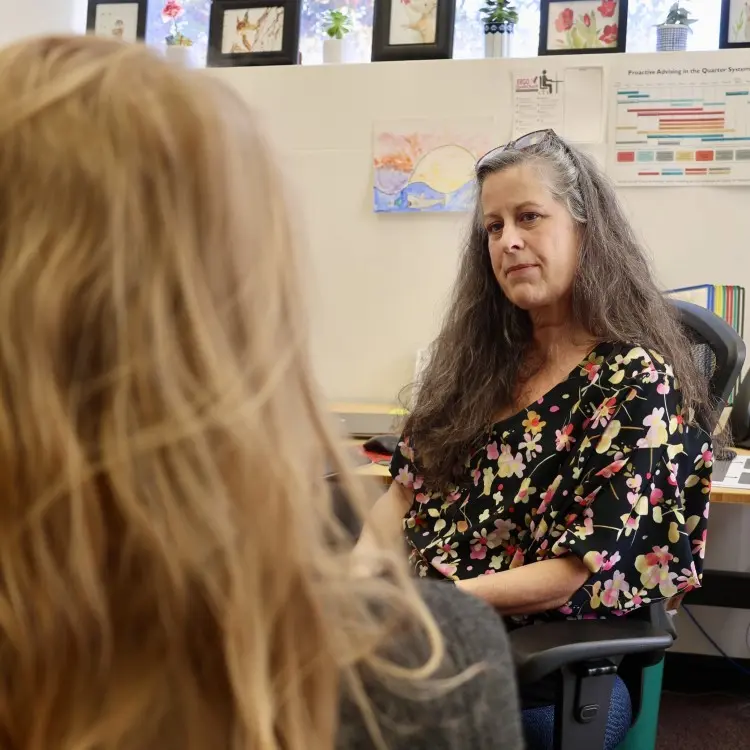
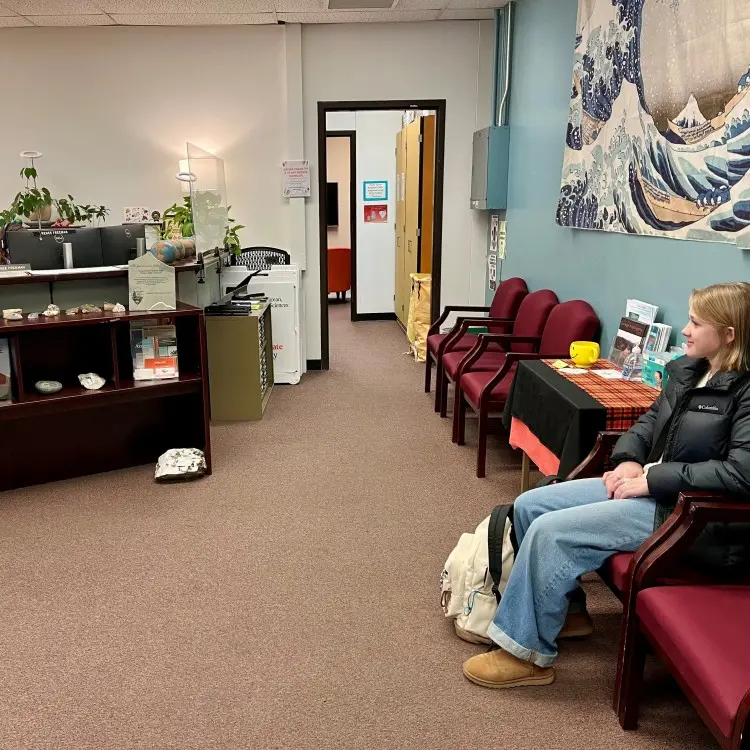
Hi, I’m Mary Chuinard, the Director of Undergraduate Student Services. Our job is to provide all the tools you need to succeed, and we take that job very seriously here in CEOAS! That’s why our office has awesome, helpful people to work with each and every student to figure out their needs and how to get there. So, if something comes up in your life that makes it hard to be a student, we’ll work with you to find a solution.
Academic advisors like myself work closely with students to identify and achieve your academic goals and make sure that you take the classes you need to graduate on time. Our Career and Experiential Learning Advisor provides guidance and resources so you’re ready to find a job after graduation, and helps you connect with opportunities to integrate classroom knowledge with real-life science. We’ll chat more about that later in the tour.
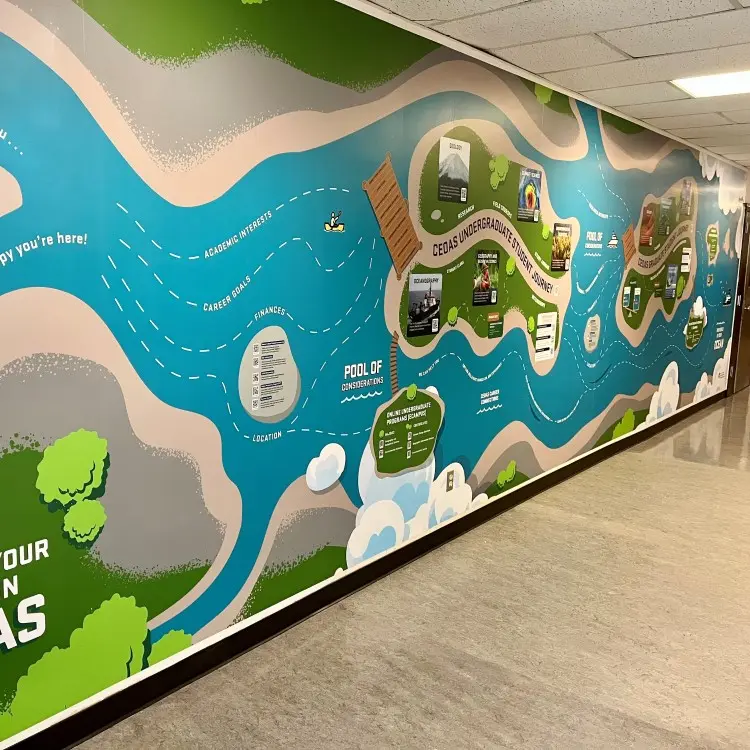
Many students wonder how they will afford to go to college. To supplement federal and state financial aid, CEOAS offers over $200,000 in scholarships every year, and we’re always looking for opportunities to save you some cash. Go back to the beginning of the mural across the hall and seek out the undergraduate finances rock to learn more about opportunities like summer classes and the OSU Degree Partnership Program and University Scholars Program.
If you'd like to talk to an advisor today, feel free to pop inside to see if one is available, or email us at ceoas.undergrad@oregonstate.edu for more information or to set up an appointment.
Related stories:
Stop 4: Mineral and Ocean Lab Classroom
Listen to this tour stop: Stop 4, the Mineral and Ocean Lab Classroom, Kyra

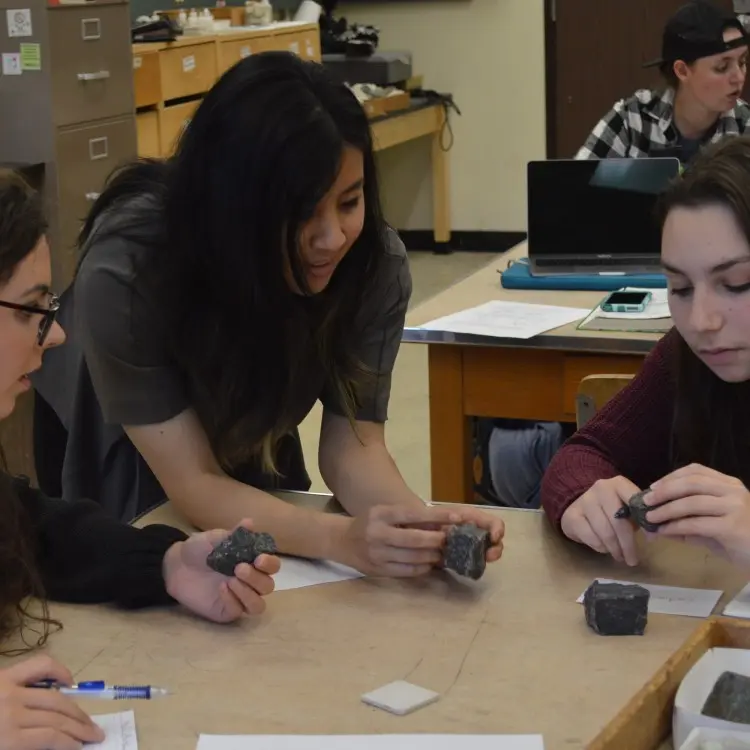
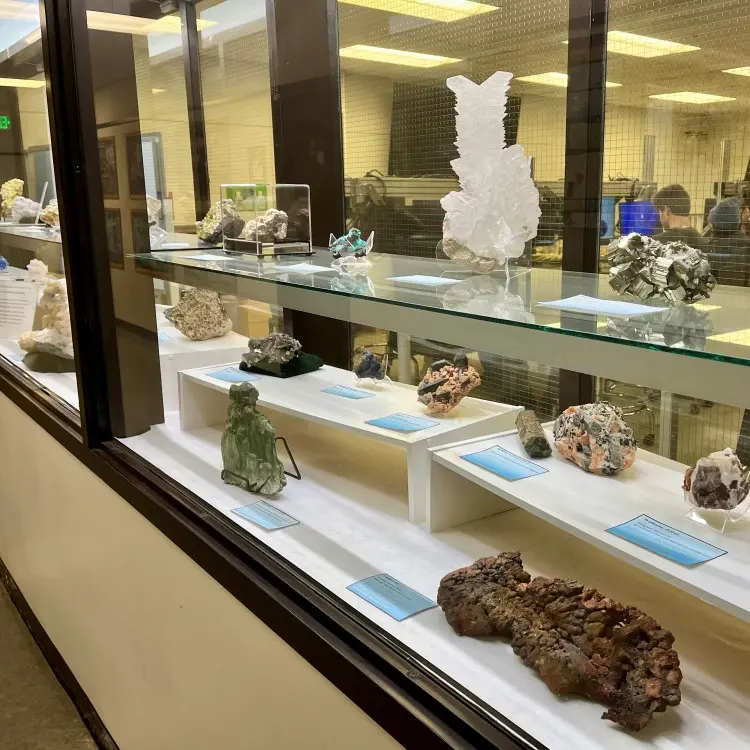
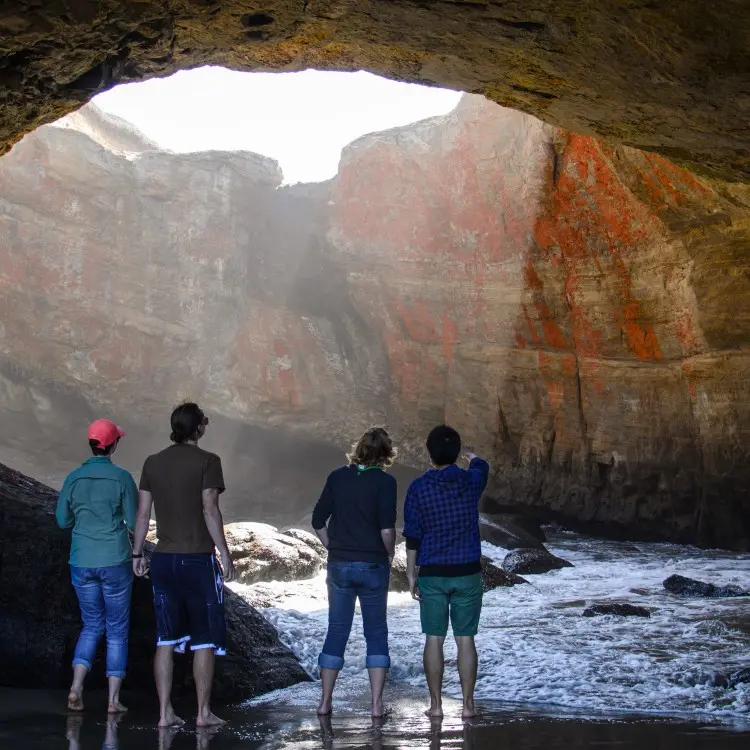
Hi! My name is Kyra, and I’m a CEOAS Student Ambassador and geology major. The crystals you see here are part of a much larger donated collection, containing more than 9,000 specimens and used for teaching right here in this room.
Our college has a small-town feel, with a faculty to student ratio of 1:10. This means our classes tend to be small, so not only do we get a great learning experience, but we can also build amazing friendships with other students and find opportunities to get to know our instructors.
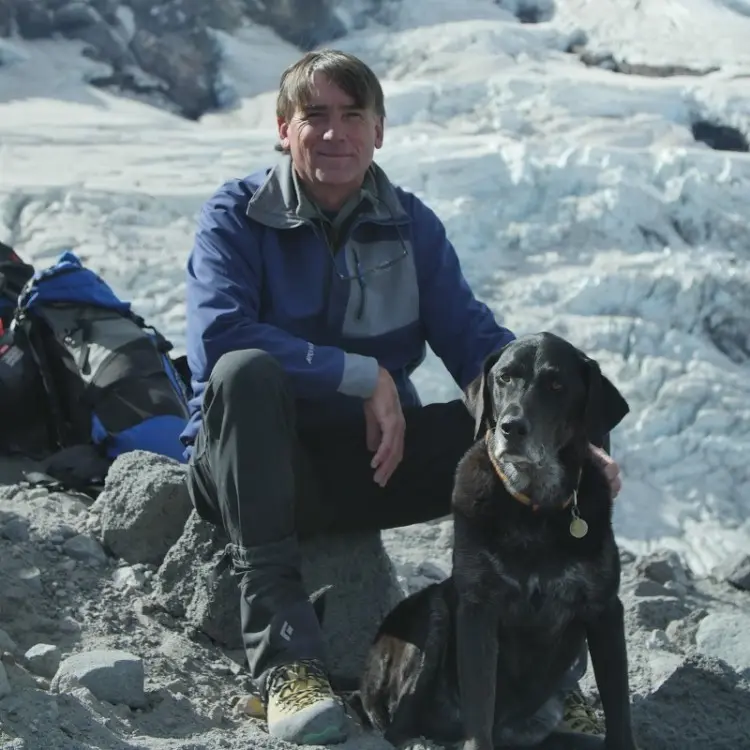
And what instructors we have! Here in CEOAS, you will be on a first-name basis with world-famous scientists like Peter Clark, a professor who teaches classes on climate change and Earth’s history. As a member of the Intergovernmental Panel on Climate Change, Dr. Clark served as a world expert on future global sea level rise. His ground-breaking research has helped the scientific community define the fundamental relationship between ice sheets, global climate systems and sea level changes.
He is very famous in the scientific world, but he’s also a really approachable and helpful person who takes his teaching responsibilities as seriously as his research. And he’s not alone in this – our faculty truly care about student learning and success.
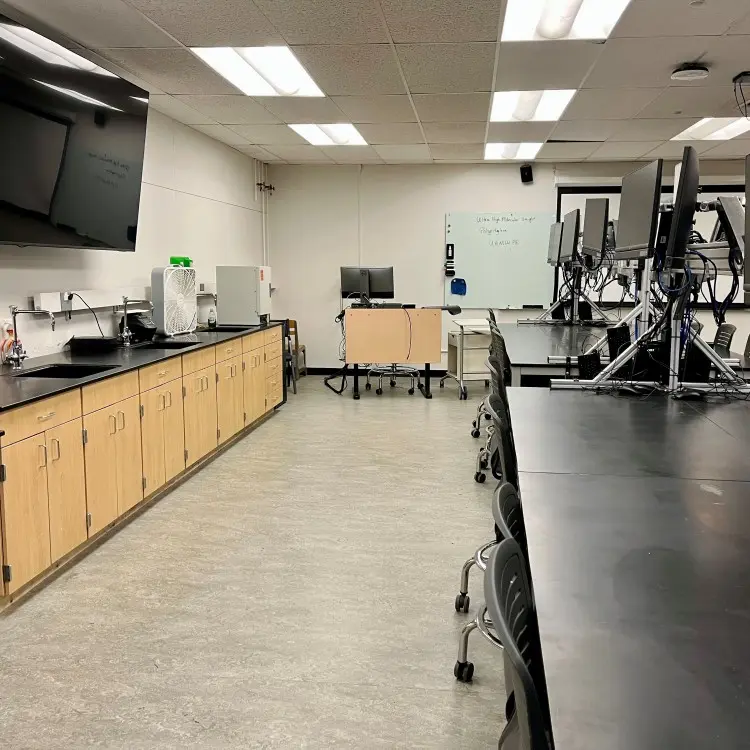
And one big component of student success is the learning environment. The Mineral and Ocean Lab Classroom is our most flexible learning space, integrating state-of-the-art technology with traditional classroom learning and wet lab opportunities, which is especially useful for our geology and oceanography majors.
Geology majors study Earth’s rocks and minerals, internal structure, history, and processes, focusing on climate evolution, mountain building, and mineral resources over the Earth’s 4.6 billion-year history. Much of our geology research actually takes place under the ocean, and overlaps with the field of oceanography.
The oceanography program at OSU is recognized as one of the best in the world. Oceanography examines forces like waves and currents, as well as biological communities, food webs, chemical cycles, and the interactions between the land and ocean.
Related stories:
- Watch the CEOAS undergraduate geology program video.
Stop 5: Elemental Ocean Lab
Listen to this tour stop: Stop 5, the Elemental Ocean Lab, Zoe

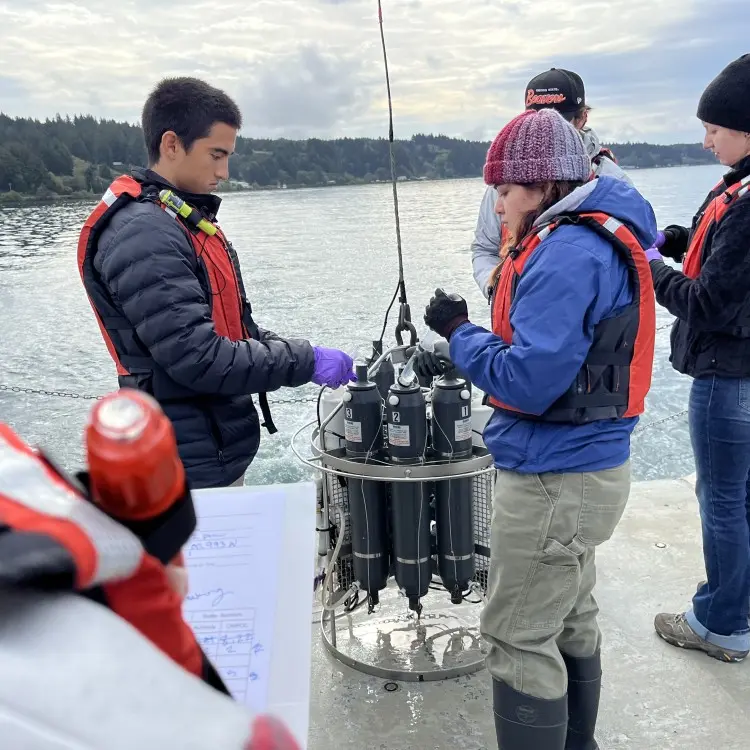
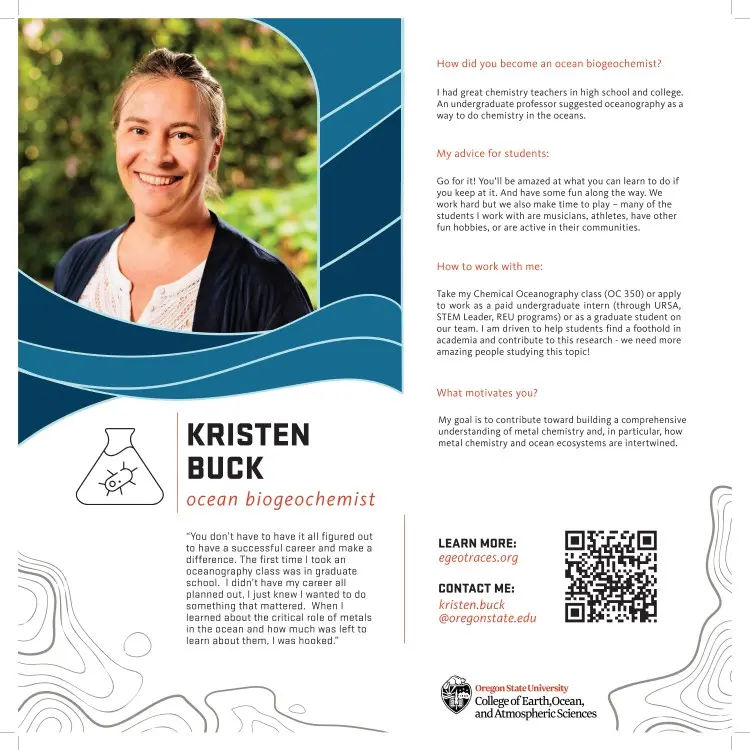
This is just a quick stop to point out one example of the very cool research happening in our buildings. Dr. Kristen Buck and her team investigate trace metals in the oceans and their importance to ocean ecosystems, all in this small lab. Learn more here, and feel free to pause the tour any time to check out other signs like this along the way!
Related stories:
- Learn what is geotraces? with this video.
- CEOAS scientists join GEOTRACES to unlock secrets of iron in the ocean.
Stop 6: Digital Earth Lab
Listen to this tour stop: Stop 6, the Digital Earth Lab, Zoe

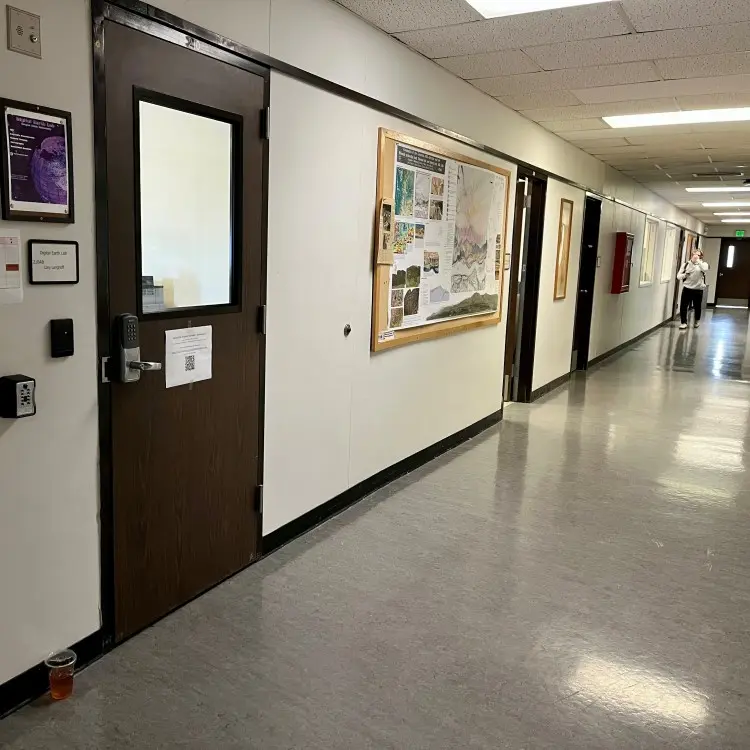
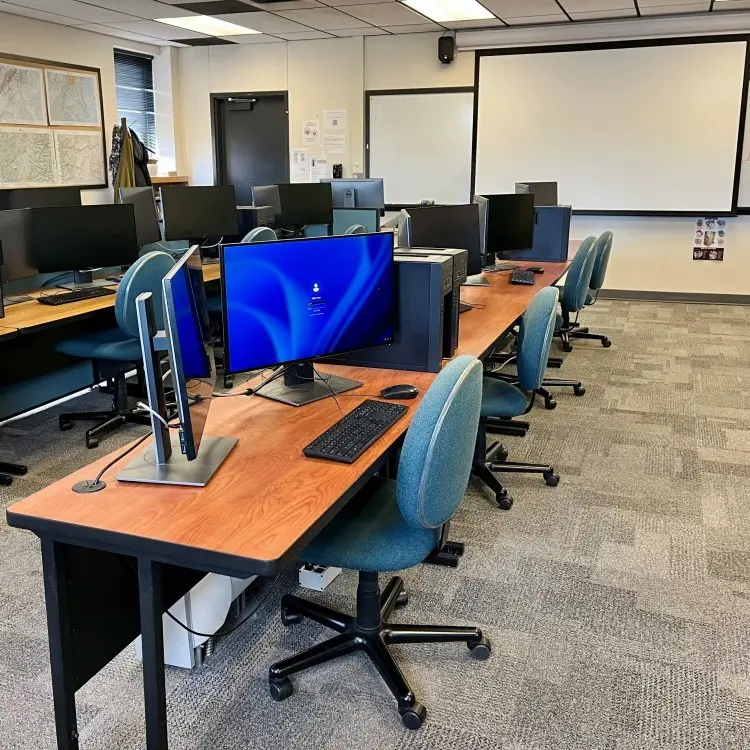
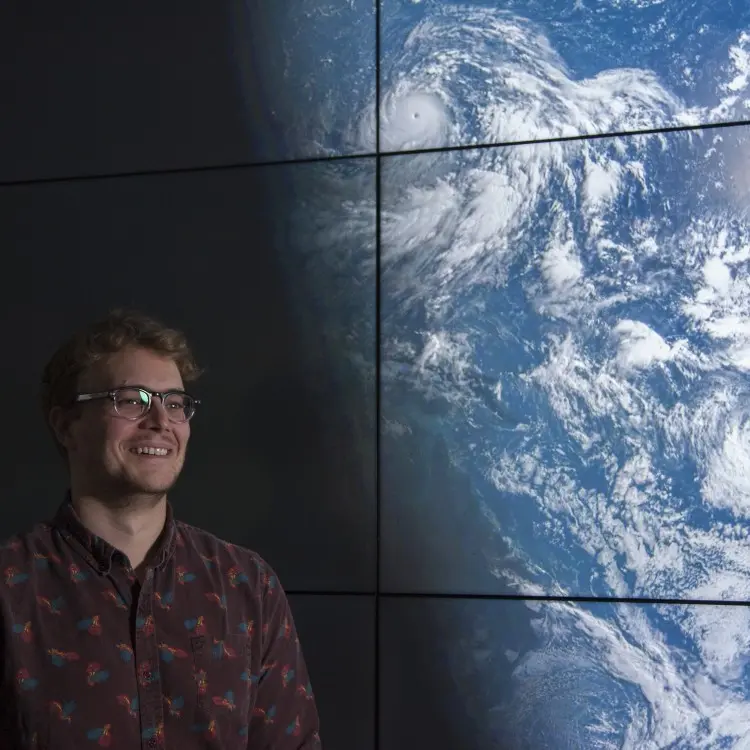
Welcome to the Digital Earth Lab! My name is Zoe, and I’m an environmental sciences major, studying the connection between humans and natural hazards.
Look inside to see one of the most powerful computer labs on campus. Our science requires massive data, and we have the tech to manage it. CEOAS has around 70 high-powered computers for students to use. And if you can’t make it to campus, no worries! Students can be set up with Virtual Desktop Infrastructure so you can use powerful software directly from your laptop, along with tech support. And on-campus students have access to free printing and poster printing!
This lab is used frequently by geography and geospatial science majors. Geographers study Earth's environments, landscapes, and people, and seek solutions in support of healthy communities, a livable climate, and a more equitable future.
One example is Dr. Jamon Van Den Hoek, who leads the Conflict Ecology Lab and uses geospatial data to study the impacts of natural hazards and armed conflict on human migration and environmental change. From wildfires to wars, Jamon uses satellite imagery to create maps that provide understandable information to decision-makers and the general public. His maps have been shared in major news outlets around the world, including the New York Times, Al Jazeera, BBC, NPR, and the Guardian.
Geographic Information Systems are used by Jamon and many geographers to analyze spatial data to understand the interactions between humans and the environment. Students of any major can get a geographic information science, or GIS, certificate, which provides a highly valuable job skill for many natural resource positions. Both the degree and certificate are offered through our Ecampus program and on campus.
Related stories:
- Watch our study geography at Oregon State video.
- Read about shaping maps into narratives.
Stop 7: Collaborative Learning Space
Listen to this tour stop: Stop 7, Collaborative Learning Space, Kiana

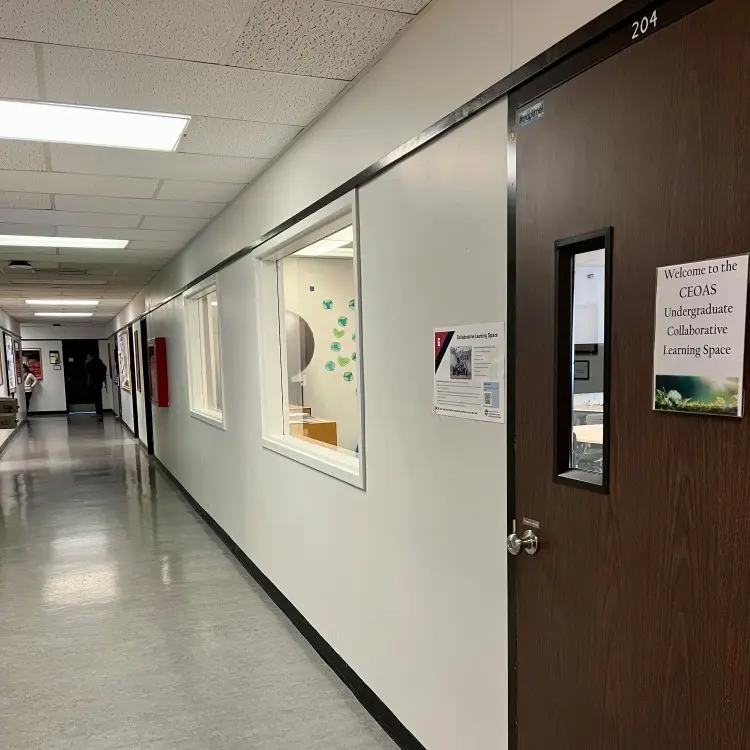
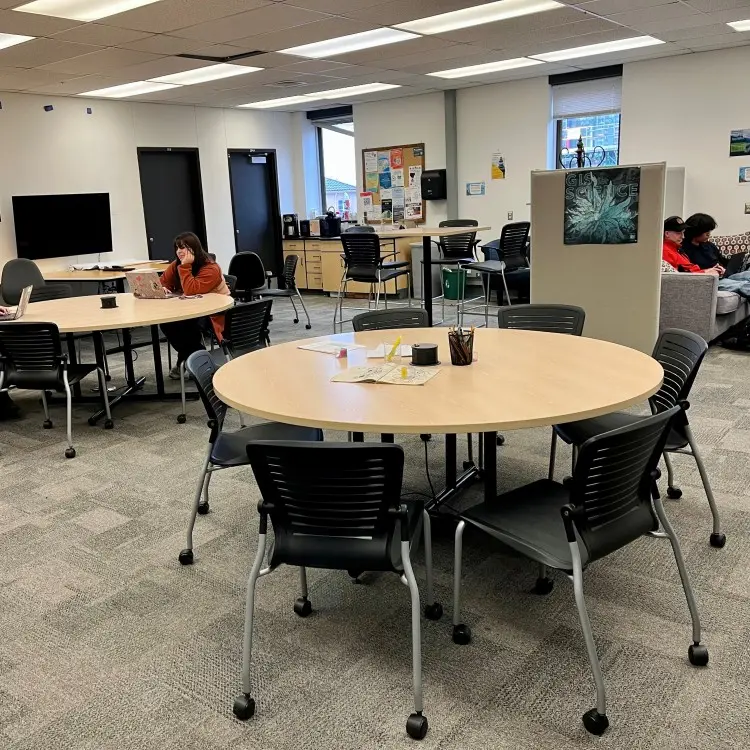
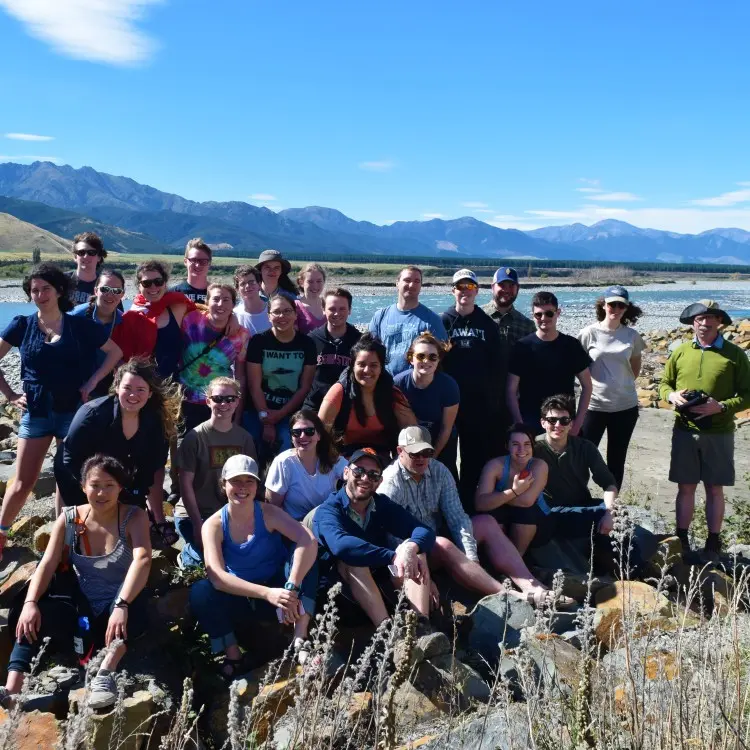
Environmental sciences major Kiana here again. As you can see from walking through our buildings, CEOAS has a very small amount of space in which a lot of work gets done! CEOAS loves their undergraduates so much that they carved out this space for us to be successful!
This is where we study, unwind, or collaborate. The big tables have wireless chargers and plug-in ports, and the computer labs are located right next door. We often work together on group projects at the large-screen computer and the whiteboards. And there’s a kitchenette here where you can fix food to enjoy while you rest or study on a comfy couch in between classes.
We don’t just gather to study, we also meet up to create community across CEOAS and OSU! Are you interested in meeting people with similar interests? What about developing leadership skills and gaining experience in your topic? If so, consider joining a student club. Student clubs often perform community service and host activities that prepare you for your future, with a major emphasis on having fun. The Geoclub even takes an international trip every other year!
Check out see.oregonstate.edu for more information about opportunities to connect across OSU.
Related stories:
- Learn about the GeoScience Club at Oregon State.
Stop 8: Burt Labs
Listen to this tour stop: Stop 8, Labs in Burt Hall, Grace

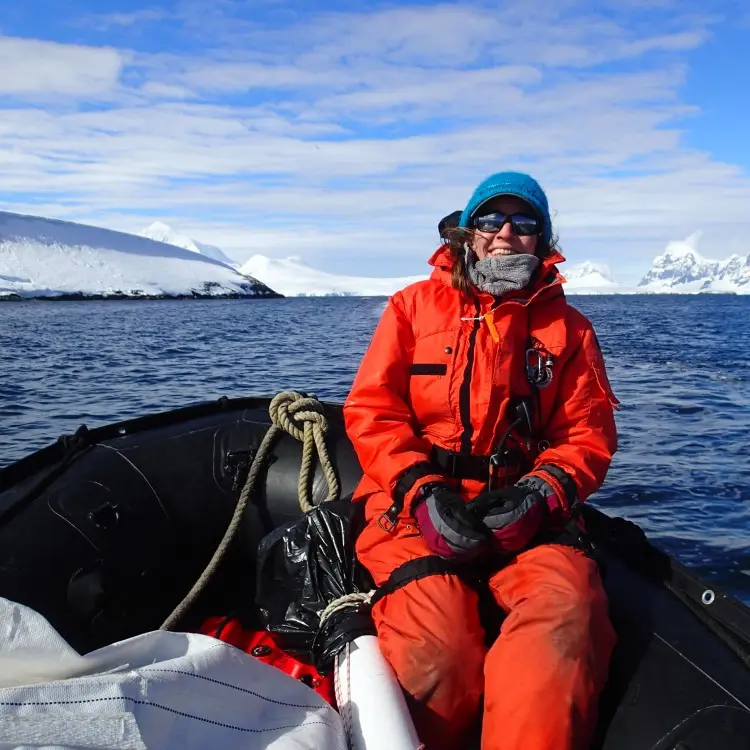
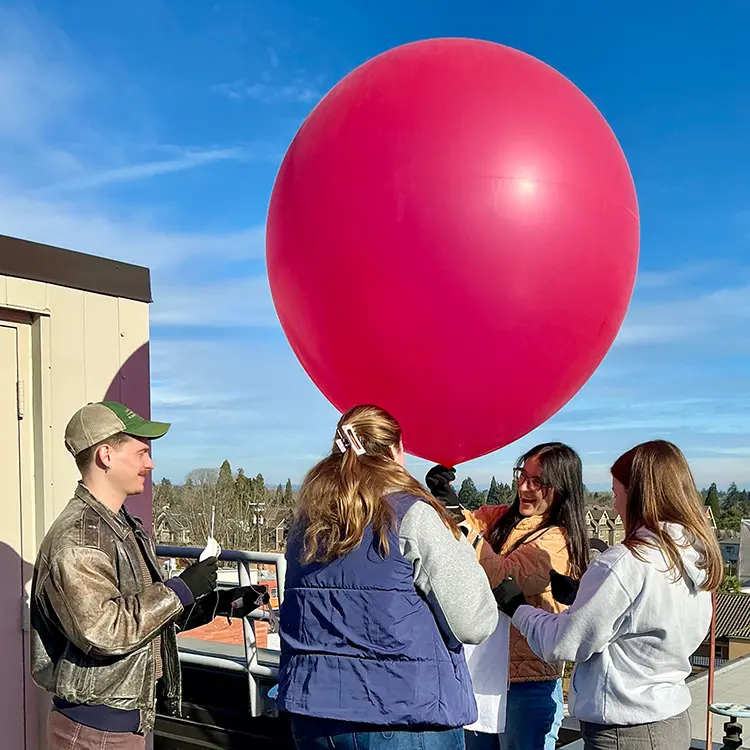
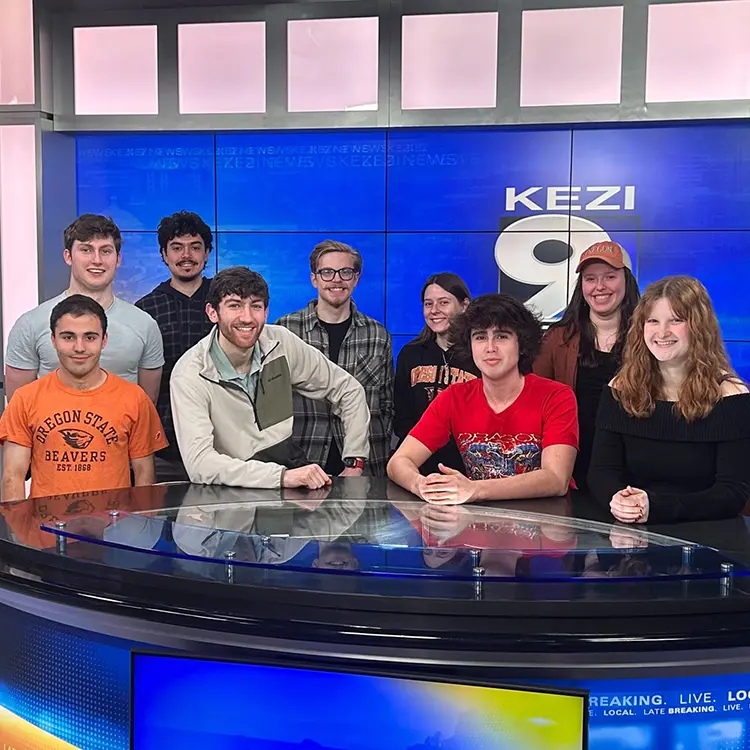
Imagine how much carbon is produced by 2 million school buses. Did you know that tiny relatives of shrimp, called Antarctic krill, play a major role in removing that same amount of carbon from the atmosphere each year? In the Zooplankton Ecology Lab, students collect, analyze and interpret data with Dr. Kim Bernard to research how climate change alters zooplankton – tiny ocean animals such as krill – and how those changes affect marine ecosystems.
My name is Grace – I’m a Student Ambassador for CEOAS. Earth’s climate affects nearly all aspects of our lives. My major, climate science, is built on a strong foundation of physical climate system science and mathematics. Students study the complex interactions between the atmosphere, oceans, land and ice – and how these interactions impact our planet and society.
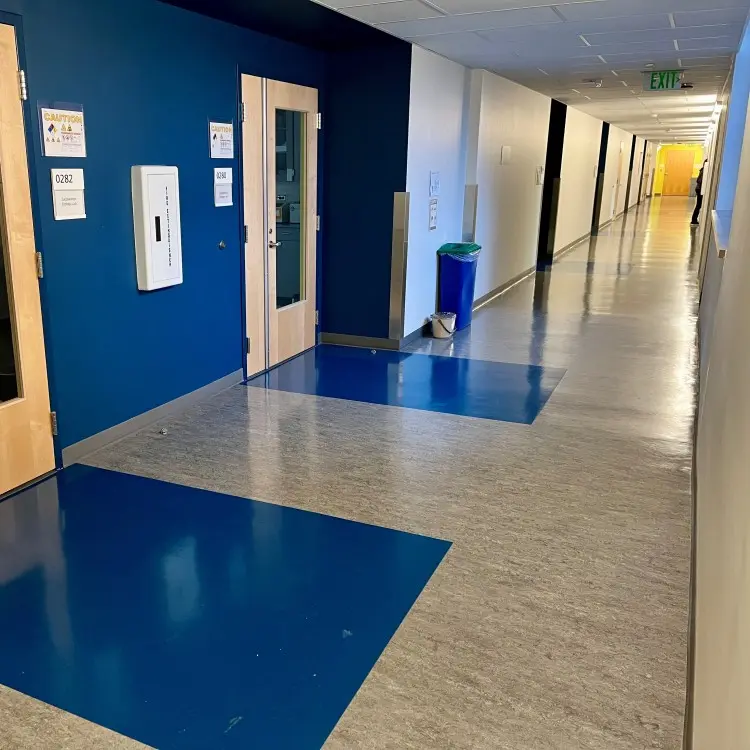
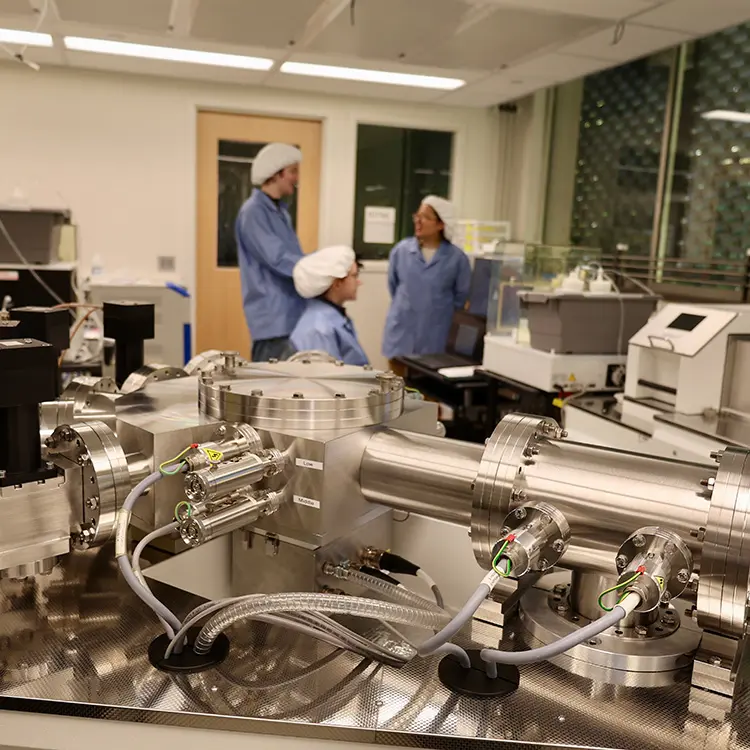
Just down the hallway is the Keck Collaboratory for Plasma Mass Spectrometry. This world-class facility houses an array of equipment used to determine the composition of natural and human-made materials from all over the world, helping scientists to study volcanoes, ore deposits, fish, food safety, ocean circulation, climate, and many other topics. This lab is used by colleges and departments across OSU, as well as visiting scholars from other universities.
Related stories:
- Watch Beaver Research Champion - Kim Bernard video.
Stop 9: Burt 193
Listen to this tour stop: Stop 9, Burt 193, Fred Polinder

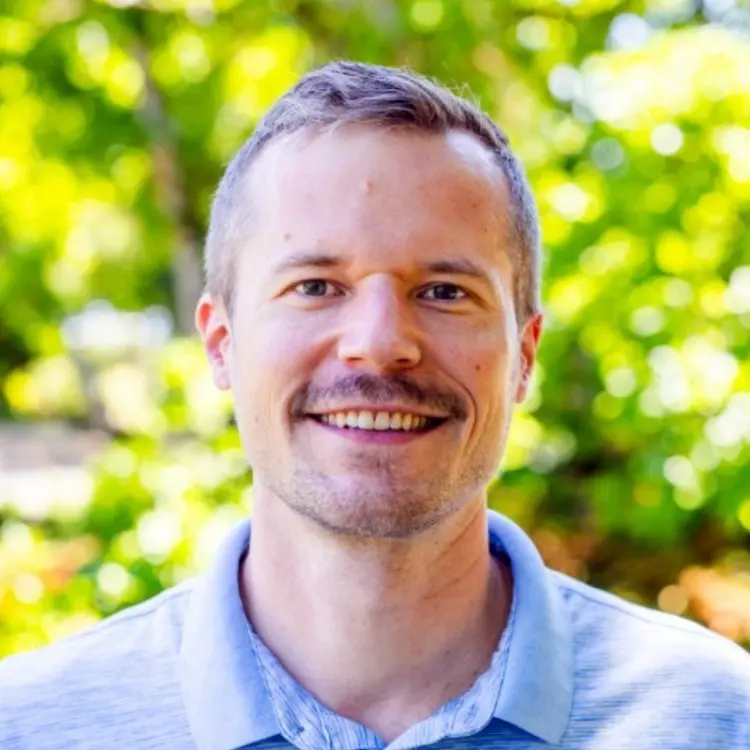
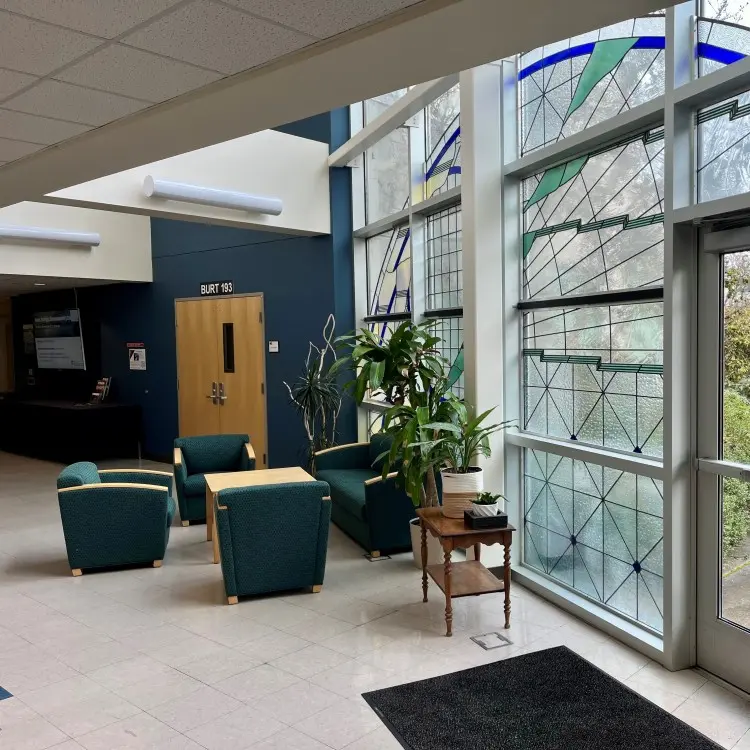
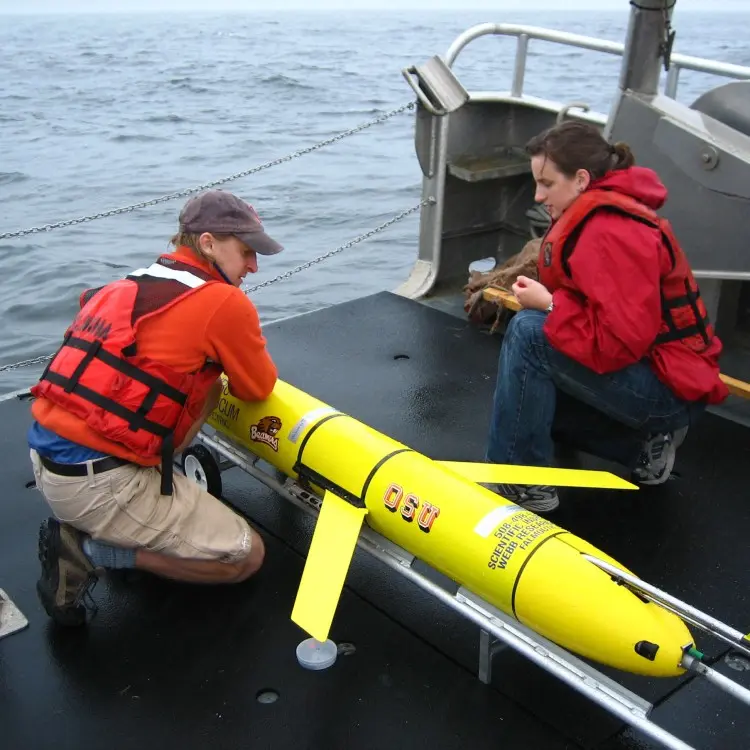
Look up! This glider is typical of those used by CEOAS scientists to study the coastal ocean off Oregon. These robots are controlled by a smartphone and swim around on their own for weeks, collecting data about ocean temperatures, currents, and chemistry.
As a college that studies the Earth, air, and water, you can imagine how important it is for us to work together to understand the complexity of the systems that make life possible on this planet. Burt 193 is our seminar room where faculty, students and special guests share key findings of their research. In CEOAS, we learn from each other and team up to find creative ways to investigate environmental problems, laying the groundwork for solutions.
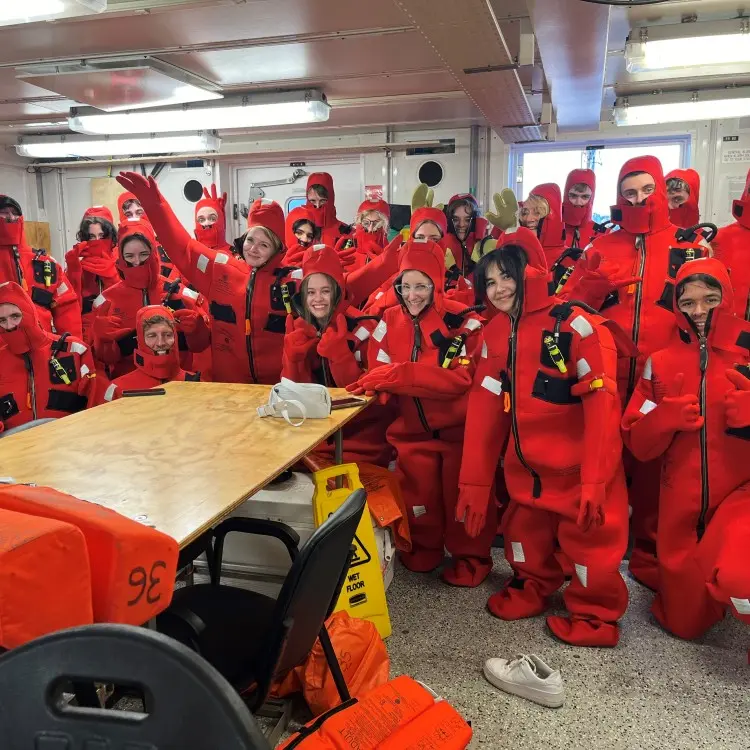
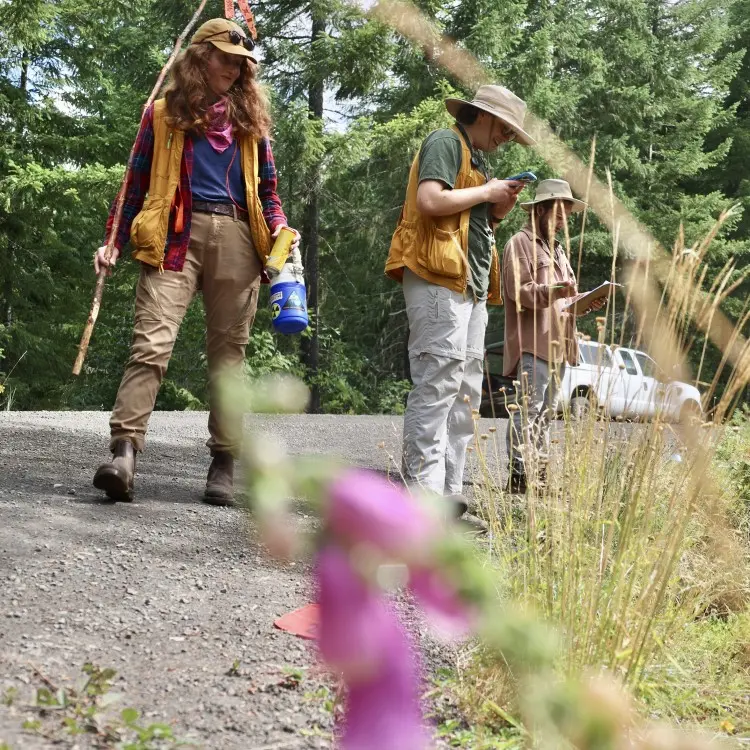
My name is Fred Polinder – I’m the Career and Experiential Learning Advisor here in CEOAS. Are you interested in getting some hands-on experience? All CEOAS students have the opportunity to get out of the classroom and gain real-world skills related to their degree. One option is to work as a paid research intern and gain a mentor in the process. Many of these internships take place in labs on campus, but you can also find yourself aboard a state-of-the-art research vessel, in the backcountry, or working with people in various communities.
Some classes are taught at the Hatfield Marine Science Center on the coast, an hour away in Newport. Other classes include field trips to Hatfield or aboard OSU’s nearshore research vessels. And the R/V Taani is a world-class research vessel which allows oceanography students to practice their science in the open ocean early in their academics at OSU.
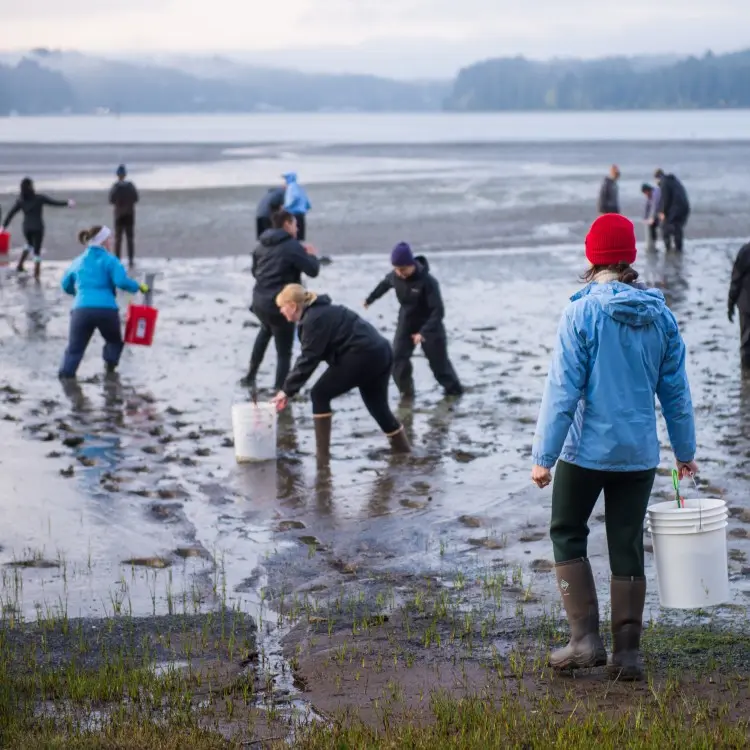
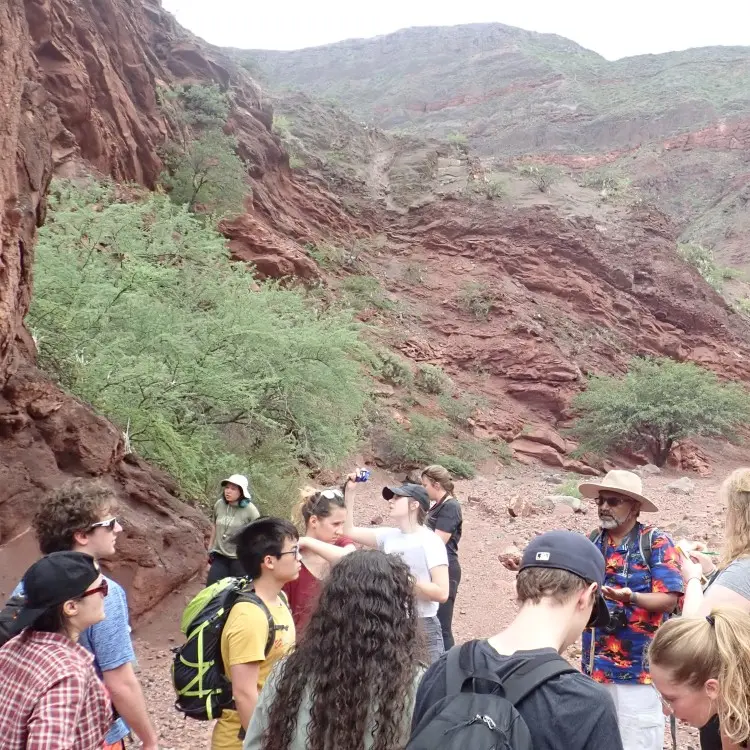
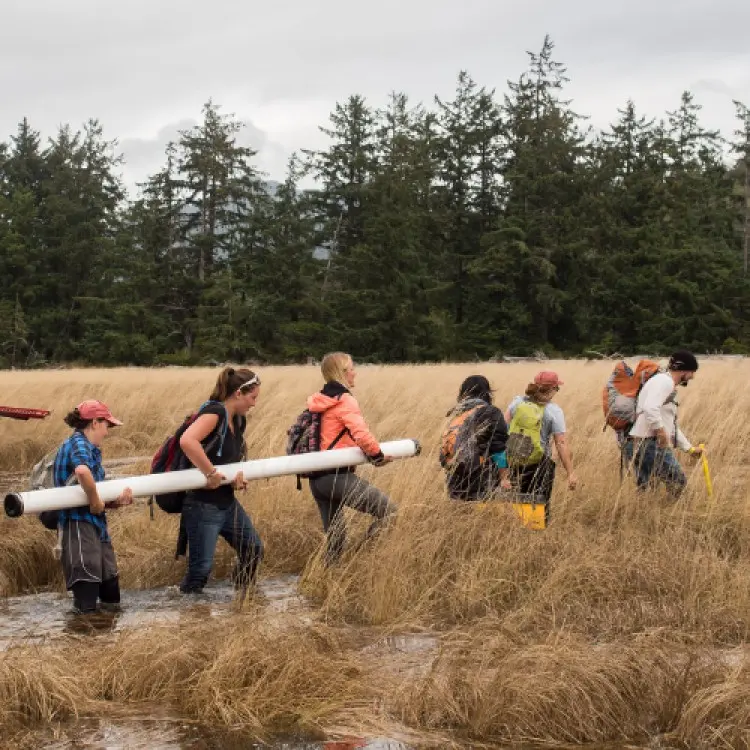
Imagine yourself trekking through the High Sierras with your rock hammer, or talking with a community about coastal erosion, testing out innovative equipment, or waking up on a research vessel at sea. Each of our five majors includes a field course, which allows students hands-on experience to gain familiarity with the “tools of the trade.”
Never been in the field before? No problem! Our instructors care deeply about all aspects of student safety, and work to make our field courses welcoming, safe, and accommodating.
Related stories:
- Watch a new student orientation at Launch 2025.
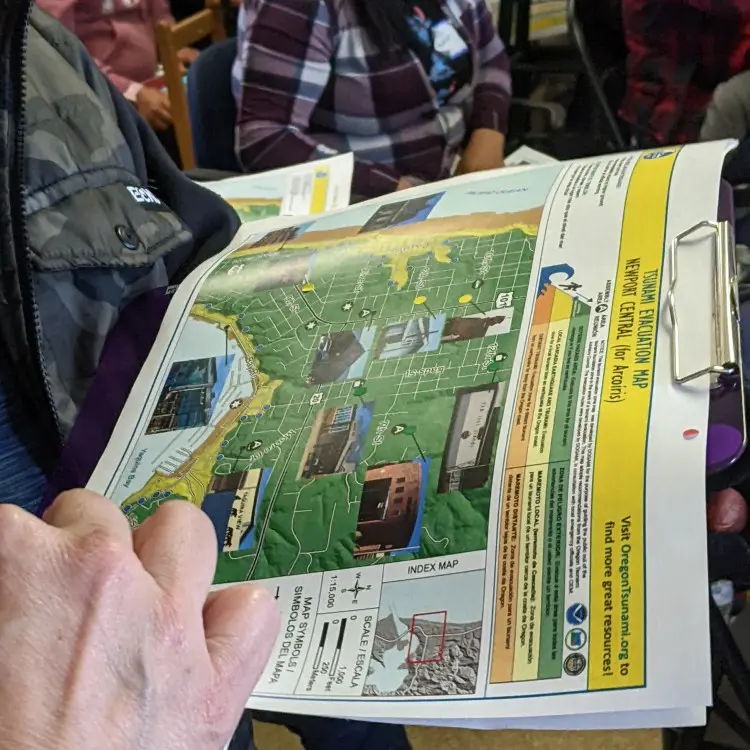
- We work on tsunami preparedness in coastal communities.
- Come along with our Students at Sea.
- Listen to CEOAS geology undergraduate Haskelle White on Geology Field Camp.
- View field work at the HJ Andrews Experimental Forest.
Stop 10: Environmental Computing Center (ECC)
Listen to this tour stop: Stop 10, Environmental Computing Center, Chris Sullivan

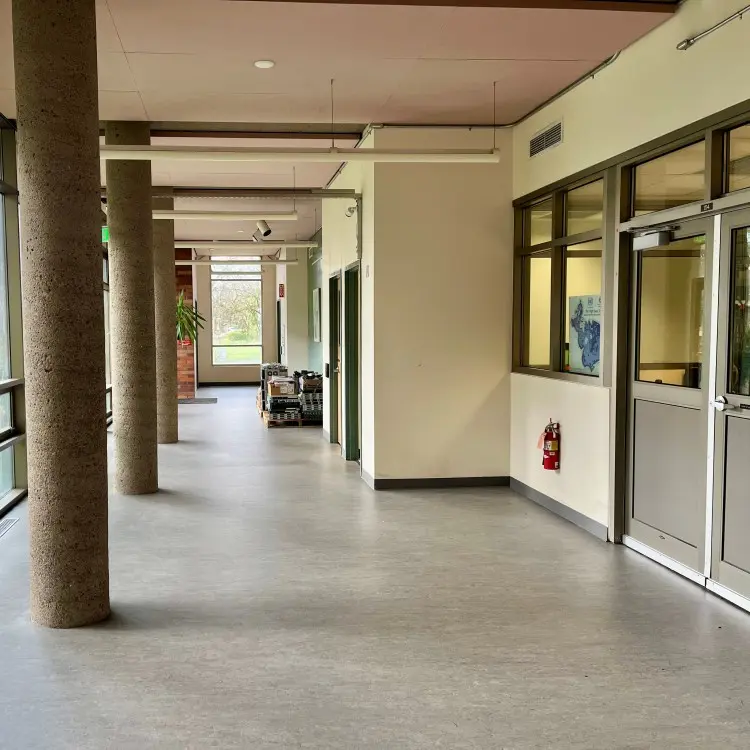
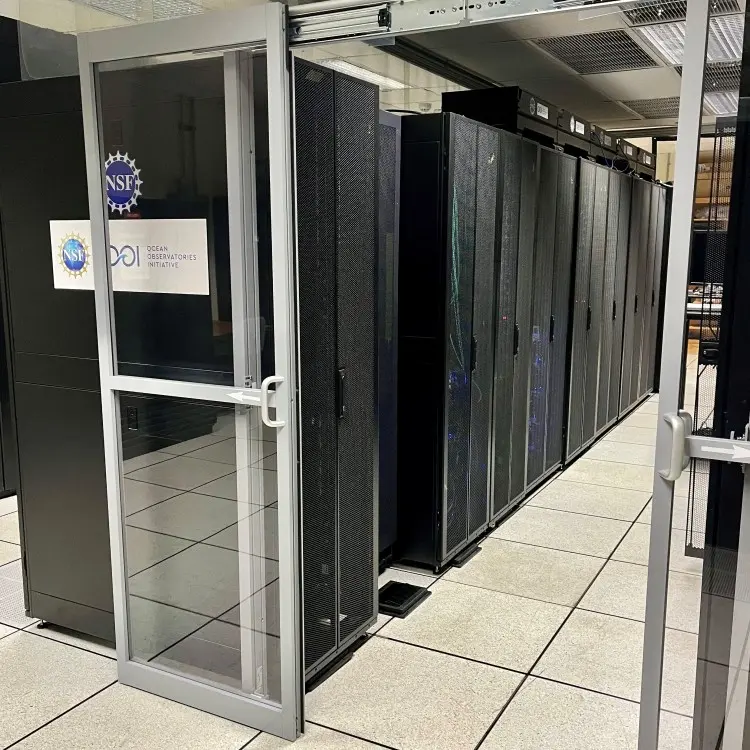
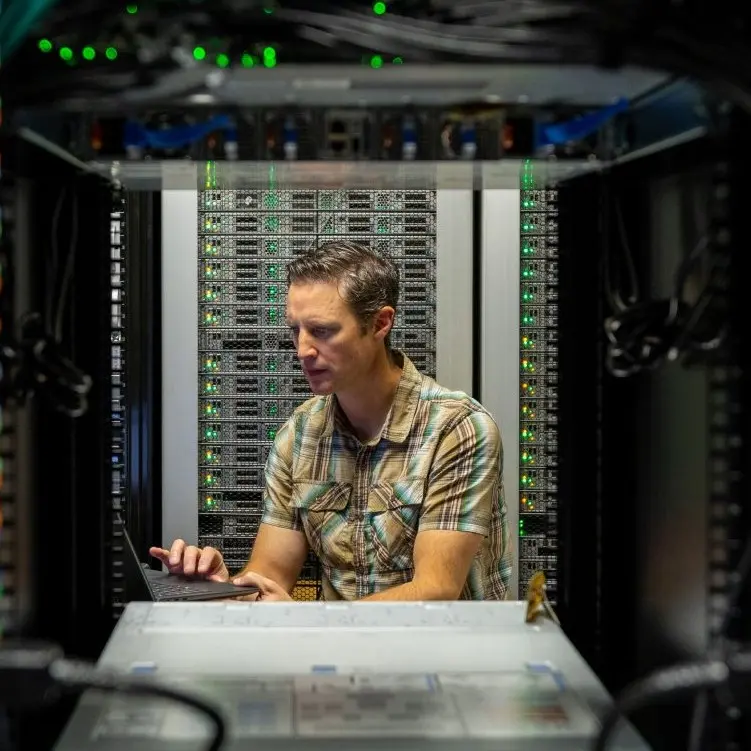
Welcome to the Environmental Computing Center – or ECC for short, a state-of-the-art data and computing facility that allows our researchers to do their important work. My name is Chris Sullivan, and I’m the Director of Research and Academic Computing in CEOAS.
Collecting, managing, analyzing and modeling data, especially from the atmosphere and ocean, requires a massive amount of computing power. Over 500 individuals and 150 major projects use the servers in this facility to do their complex science.
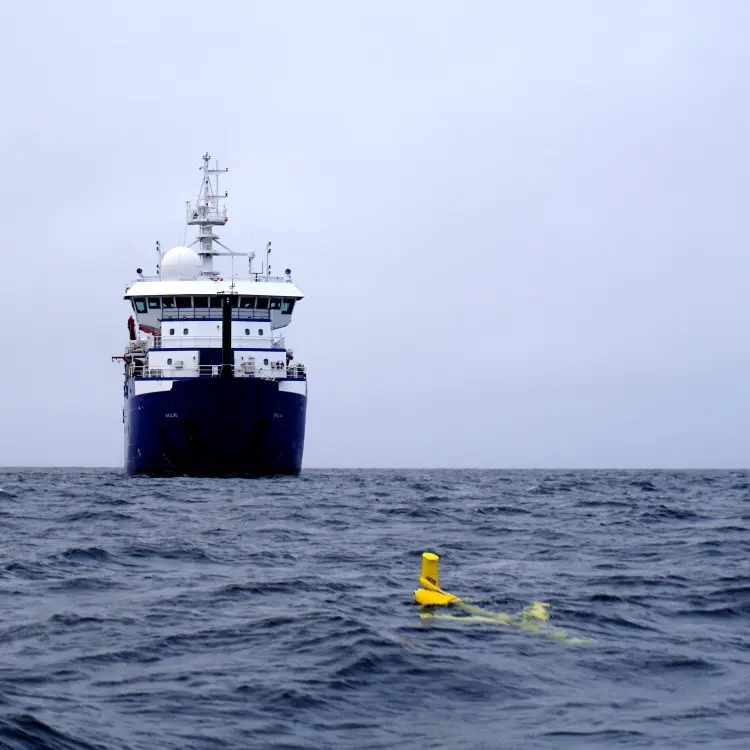
One of the many projects using the ECC is the Ocean Observatories Initiative. This project includes a network of interactive, globally-distributed sensors that collect data from the oceans with the goal of providing access to real-time ocean data for any scientist, enabling them to address critical issues such as climate change, ecosystem variability, ocean acidification, and carbon cycling. The fast, powerful computers in the ECC store the raw data, maintain backups, control access, and perform computational requests.
The supercomputers here, and the staff and students who support them, serve as a vital resource to CEOAS, OSU, and scientists everywhere, helping to answer the big questions about how Earth systems work together.
Related stories:
- Tour the OOI Data Center with Craig Risien.
Stop 11: Burt Courtyard
Listen to this tour stop: Stop 11, Burt Hall Courtyard, Dean Tuba Özkan-Haller
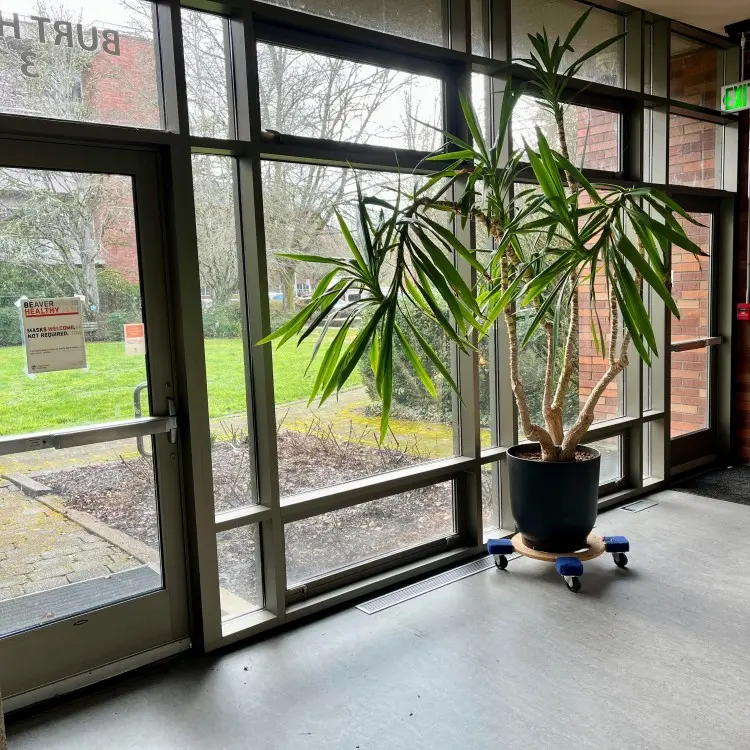
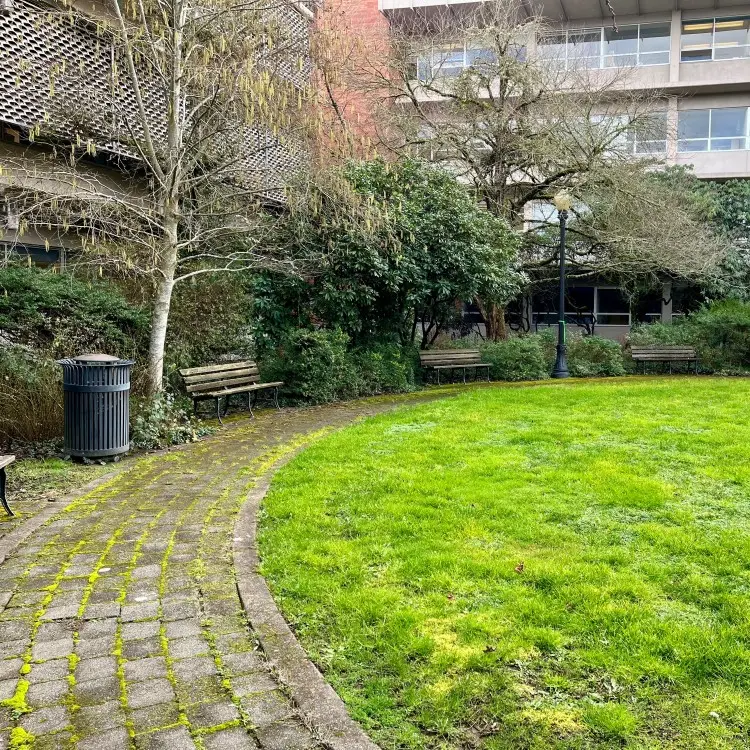
CEOAS Dean Tuba Özkan-Haller here again. Our final stop before we say goodbye is the Burt Courtyard, a peaceful place for our college community to connect in a small way with the natural world that inspires us to do the work we do.
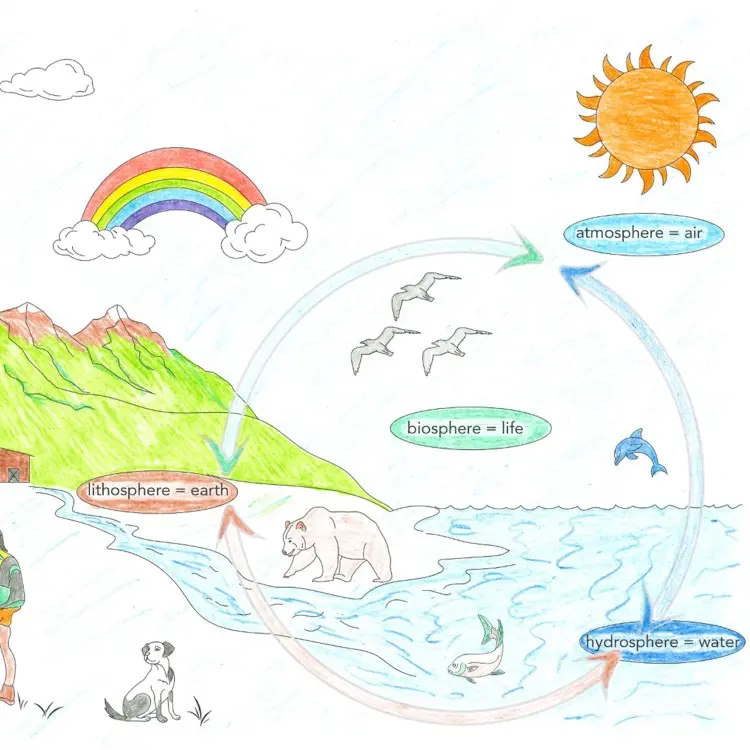
And we saved the biggest major for last. Sure, we consider environmental sciences to be the biggest major because it has the largest number of students and includes an entire remote Ecampus program. But the environmental sciences major is also the biggest because it holistically covers a topic so complex and interrelated that it encapsulates the other four realms of Earth sciences we’ve discussed today.
As a student in this interdisciplinary major, you will learn broadly about the environmental sciences from a variety of perspectives, while choosing an area of specialization to explore more deeply. Students in this program contribute to understanding and resolving some of today's most challenging issues – including global climate change, pollution, biodiversity conservation, sustainability, and balancing resource use and preservation.
All Earth systems are interrelated – land, water, air and life – including humans! We want to help you find your place in this interconnected system. If you choose to join us in CEOAS, we will help you define yourself as a scientist by figuring out what you want to do and how you want to get there. We will open the door for you to experience the real world of science by personally contributing to scientific research. And we would love to have you join our community! We welcome you as an individual and will respond to your particular interests and needs.
And with that, we have reached the end of the tour. Thanks for joining us today. Check out beav.es/futstd for more information on how to connect with us directly, and feel free to reach out any time. We can’t wait to talk to you!
Related stories:
- Watch a video on the environmental sciences program in CEOAS at OSU.